
SCEPA PhD Fellowship
The SCEPA PhD Fellowship offers a unique and transformative opportunity for emerging scholars to conduct critical, policy-oriented research on the political economy of aging, including labor precarity, retirement insecurity, and structural economic inequality. Awarded to up to three outstanding PhD students each year at The New School for Social Research (NSSR), the Fellowship is designed for economists committed to progressive change through rigorous scholarship and public engagement.
(SCEPA is not currently accepting applicants for the 2026-2027 Academic year)
-
At the core of the Fellowship is a paid, three-year research associate position at the Schwartz Center for Economic Policy Analysis (SCEPA) and its Retirement Equity Lab (ReLab) – a hub for cutting-edge research that informs public debate and shapes policy. Fellows receive:
Full tuition (up to 30 credits) in NSSR’s PhD economics program
Up to six semesters of fee coverage
A $25,000 annual stipend for 20 hours/week of research work
Additional paid project work available during breaks
Fellows work closely with faculty and senior researchers to conduct empirical analysis, develop policy proposals, and contribute to publications aimed at both academic and public audiences. Many fellows publish in peer-reviewed journals, present at major conferences (AEA, APPAM, ASSA, LERA), and contribute to national policy discourse.
Rooted in The New School’s century-long commitment to heterodox and intersectional economics, SCEPA continues the legacy of challenging orthodoxy and addressing structural inequality. Fellows are trained in a range of empirical methods, gain deep exposure to key microeconomic datasets (CPS, ACS, SIPP, SCF, HRS), and are mentored by leading economists like Professor Teresa Ghilarducci. They also benefit from access to a global network of scholars including Stephanie Kelton, Mariana Mazzucato, and Nelson Barbosa, and participate in events like the annual Heilbroner and Schwartz Lectures.
Current PhD Fellows
-
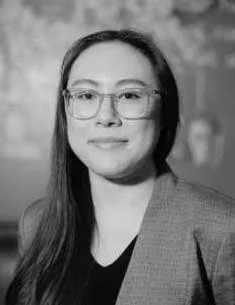
Jessica Forden
Jessica Forden is a PhD student in the Economics Department at the New School for Social Research and a Schwartz Doctoral Research Fellow at SCEPA (2024-current). Prior to joining SCEPA she was a Senior Manager of Research for the Impact Lab at the TIME'S UP Foundation and Senior Associate at the Roosevelt Institute. Her past work has explored issues in labor, gender and racial inequality, and public policy more broadly, including work on monopsony labor markets, occupational segregation, and the economic effects of paid leave policies. Jessica received her bachelor's in economics from Wellesley College, and her master's degree in economics from The New School.
-

Karthik Manickam
Karthik Manickam is a PhD student in the Economics Department at the New School for Social Research and a Schwartz Doctoral Research Fellow at SCEPA (2023-current). Karthik received his MA and MPhil in Economics from the Centre for Economic Studies and Planning, Jawaharlal Nehru University, and has consulted for the World Bank, UNESCAP, and Club of Rome. His research interests include labor, development, and inequality.
-
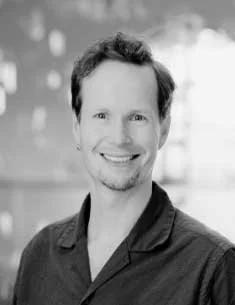
Drystan Phillips
Drystan Phillips is a PhD student in Economics at the New School. As a Schwartz Fellow (2022-current), Drystan works as a Research Associate with the Schwartz Center for Economic Policy Analysis. After completing his Masters in Economics from the University of North Carolina, Greensboro, Drystan started his career at the RAND Corporation before moving to the Center for Economic and Social Research at the University of Southern California. Drystan's research interests are broadly motivated by a concern about financial fragility at older ages. His research focus includes the labor market conditions of older workers and the design of public pension systems. His research methods include a life course and cross-national perspective. Drystan is also an expert in the international family of Health and Retirement Studies.
Former PhD Fellows
-

Kyle Moore
Kyle Moore (2016-2019) is an economist with the Economic Policy Institute’s Program on Race, Ethnicity, and the Economy. He studies economic inequality in the frameworks of stratification economics, political economy, and public health.
Moore’s research focuses on the intersection between racial economic disparities and health inequity across the life course, with particular focus on “upstream” structural causes of morbidity and mortality differences across race.
He credits his time as a SCEPA Fellow for his transition into high-impact policy work:
“Working at SCEPA and ReLab allowed me to put the critical frame developed through courses at NSSR to practice—translating academic research into policy briefs and white papers. I developed a body of work on the intersection between race, aging, and retirement policy, and gained valuable technical skills with datasets and statistical tools that I still use in my current role.”
-
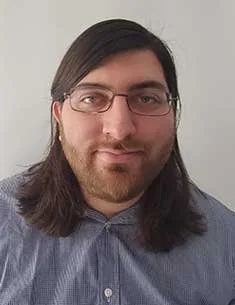
Michael Papadopoulos
Michael Papadopoulos (2017-2020) currently works as a Labor Economist at New York City’s Department of Consumer and Worker Protection. He supports the implementation and enforcement of labor protections empowering over 4 million workers in New York City by drafting new rules, conducting research in support of and evaluating the impact of policies, and investigating firms’ compliance with existing protections. These rules include the Earned Safe and Sick Time Act, which guarantees paid sick leave for private sector workers in NYC, and Local Law 115, a minimum pay standard for over 60,000 third-party restaurant delivery workers which has put over $1 billion in app-based workers’ pockets.
Prior to joining DCWP, he served as an Associate Economist with The Conference Board in New York City and received his Ph.D. in economics from The New School in 2020 with his dissertation, “Alternative Work, Bargaining Power and Labor Supply at Older Ages.” His work tied the growth in alternative work arrangements to lower reservation wages, a proxy measure for bargaining power. His work while at SCEPA includes a series of monthly unemployment reports centered on older workers, 16 policy briefs and 5 refereed publications. He also conducted policy work at SCEPA, including preparing testimony for the New York City Council and the United States Senate.
-

Aida Farmand
Aida Farmand (2018-2021) currently works in the Office of the New York City Comptroller. Her research focuses on the dynamics of the labor market, specifically factors that determine the bargaining process and labor power. Her other research interests include the impacts of theEarned Income Tax Credit (EITC) on the wages of ineligible workers and labor market outcomes of displaced older workers.
In Aida’s words:
“This fellowship helped me learn how to ask relevant research questions and provided the tools to answer them. The collaborative work taught me practical problem-solving skills that apply in any setting—and I’m grateful to have contributed to solutions to some of the country’s most pressing policy challenges.”
-
Barbara Schuster
Barbara Schuster is an economist at the Momentum Institut in Vienna, Austria. She studied economics in Vienna and New York and earned her PhD at the New School for Social Research. Her research interests include wealth distribution, tax justice, and climate policy. As a feminist economist, she always pays special attention to gender inequalities.
-
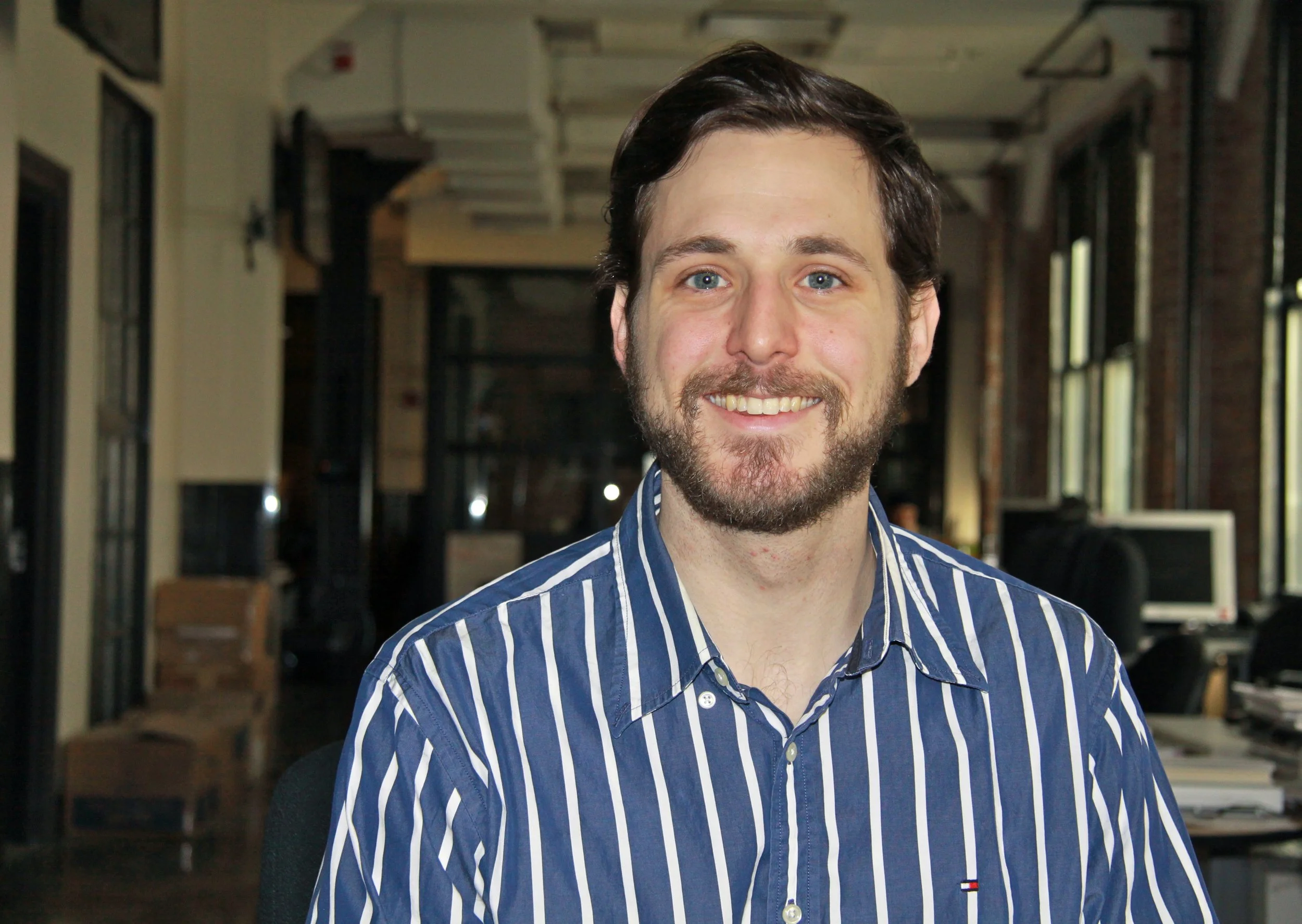
Owen Davis
Owen Davis(2019-2022) is a Senior Economist at the New York City Independent Budget Office specializing in population, demographics, and the workforce. HIs broader research program includes work in public economics, technology, aging, and retirement.